


2026 Hottest Trend 4: AI From Tool to Creative Partner
Not long ago, using AI in design felt like a bit of a gamble.
You’d type in ‘premium organic coffee brand, Scandinavian style’ and get a pouch floating in space, a logo spelled three different ways, and a hand with six fingers holding the product.
It was fun. Sometimes impressive. Rarely usable.
Fast forward to 2026, that stage is over.
AI now produces coherent layouts, realistic lighting and convincing product renders in seconds. It can upscale low-resolution images, simulate shelf presence and generate campaign visuals before a product is physically made. What was experimental not long ago is now part of everyday workflow.
The question is no longer whether AI can generate something. It’s how it changes the way we design, validate and manufacture packaging.
The evolution of creative briefs
Traditionally, creative development used to start with long briefing documents, mood boards and multiple presentation rounds. It was a linear process and it often took time to see whether an idea would actually work.
Instead of talking about ideas, we can now mock them up immediately. What once took hours of graphic work can now be tested through structured prompting.
Founders and marketers can describe positioning in plain language and instantly see different visual directions using tools like ChatGPT, Midjourney, Adobe Firefly or Gemini.
This doesn’t remove the need for strategy. If anything, it highlights when strategy is weak.
If positioning is unclear, AI outputs look inconsistent. If the target audience is vague, the visuals feel generic. AI tends to amplify whatever clarity or confusion already exists in the brief.
That tension is useful. It forces sharper thinking earlier. The brief becomes less of a document and more of a working visual conversation between marketing and design.
Faster concept visualisation for a more competitive edge
Perhaps the most obvious transformation arising from this new creative process is speed.
Concepts that once took weeks can now be explored in hours. You can visualise multiple packaging directions before a single physical sample exists.
For startups, that means stronger investor presentations and quicker validation. For established FMCG brands, it reduces early-stage risk when testing new SKUs. For marketing teams, it shortens iteration cycles and helps avoid drawn-out decision making.
That said, speed alone is no longer the advantage. When everyone can move quickly, clarity and execution matter more than velocity. The brands that win are not simply faster, they are more deliberate.
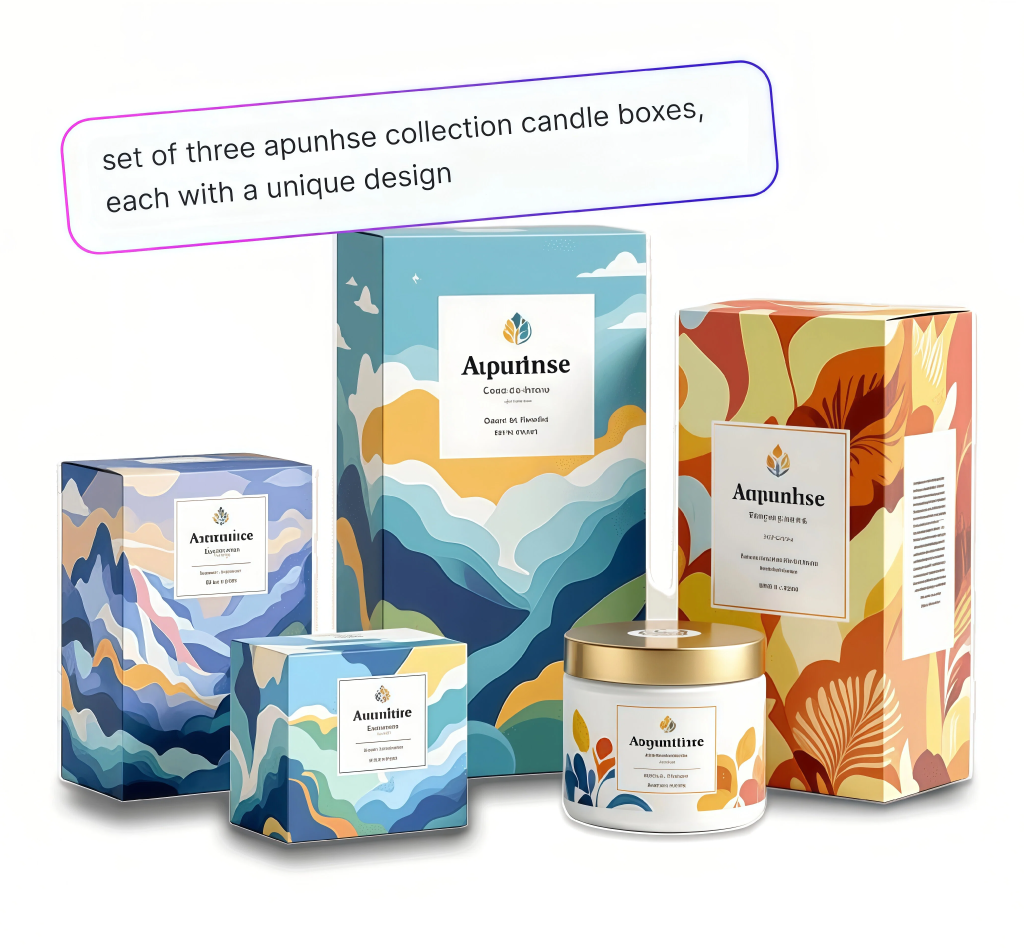
Source: www.lightxeditor.com
Virtual production and pre-market testing
AI has also redefined product visualisation.Through platforms such as Runway, brands can now create realistic lifestyle scenes, retail shelf simulations and short teaser videos before manufacturing begins.Imagine a coffee brand preparing for export. Instead of waiting for finished pouches, the team can generate visuals set in a European café, test messaging online and build early campaign assets. All of this can happen before the first shipment leaves the factory.Large brands are already doing this at scale. Nutella has experimented with algorithmically generated labels. Coca-Cola explored AI-driven storytelling with its Y3000 campaign.
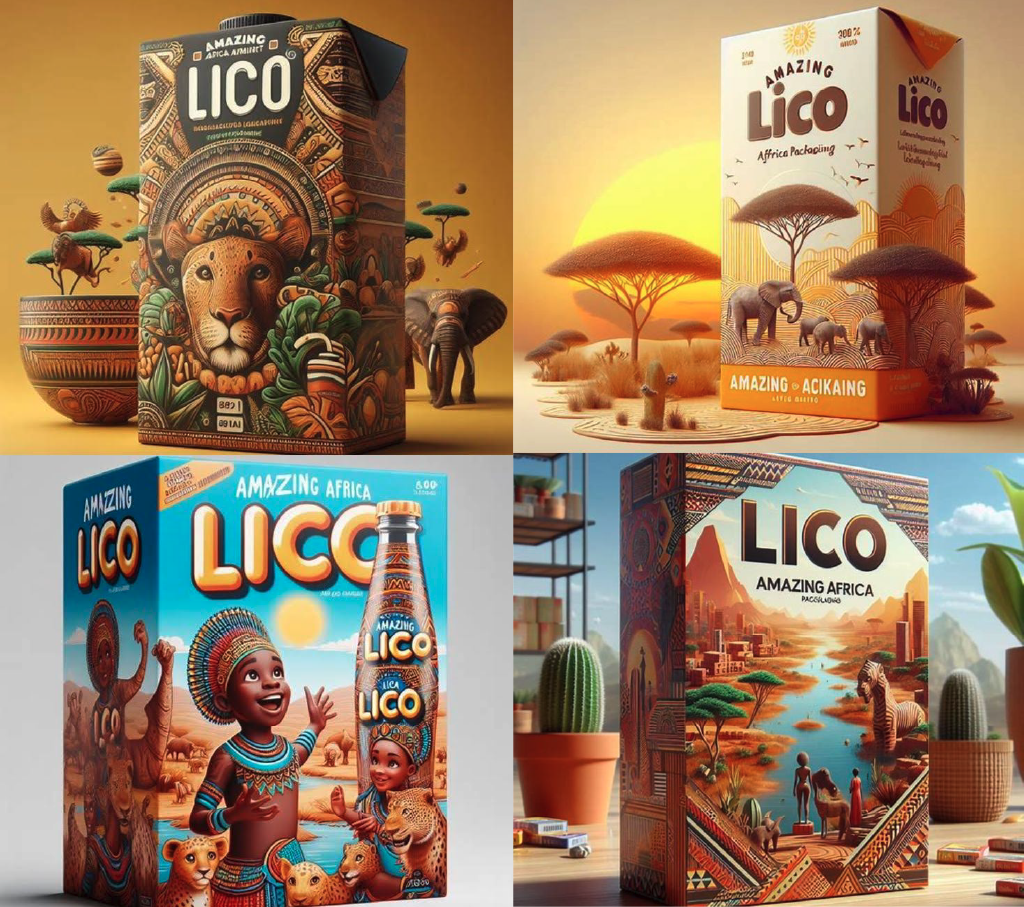
Source: Designer People
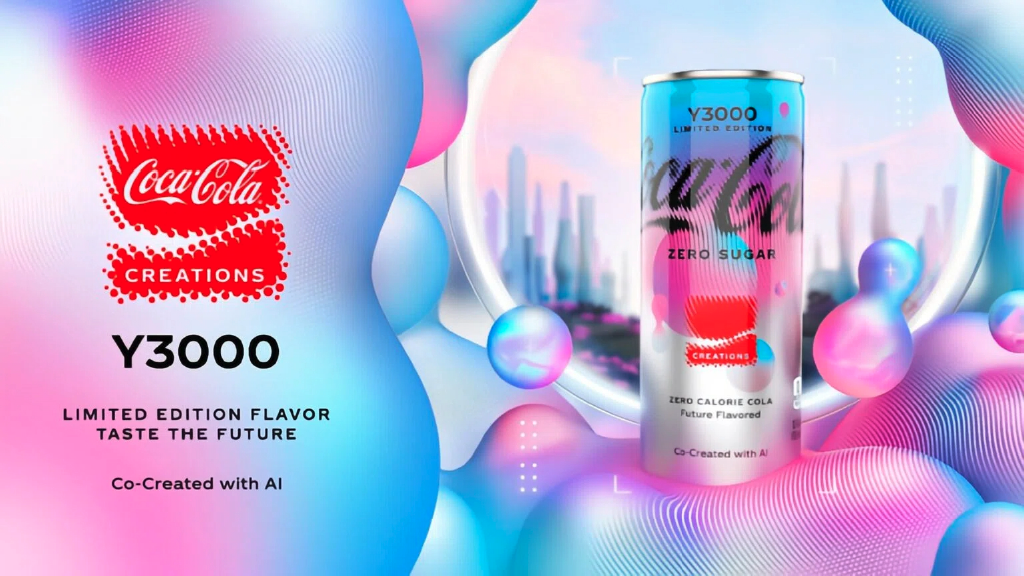
Source: teknologi.id
This isn’t about cutting costs. It’s about sequencing smarter.
Campaign thinking can start earlier. Positioning can be validated before committing to major print runs. That reduces risk and improves decision-making.
‘AI Photoshoots’
AI-generated product photography is now realistic enough that many consumers can’t tell the difference.
For eCommerce or early-stage marketing, that’s powerful. It saves time and production budget. However, it’s important to separate visual concepts from production reality.
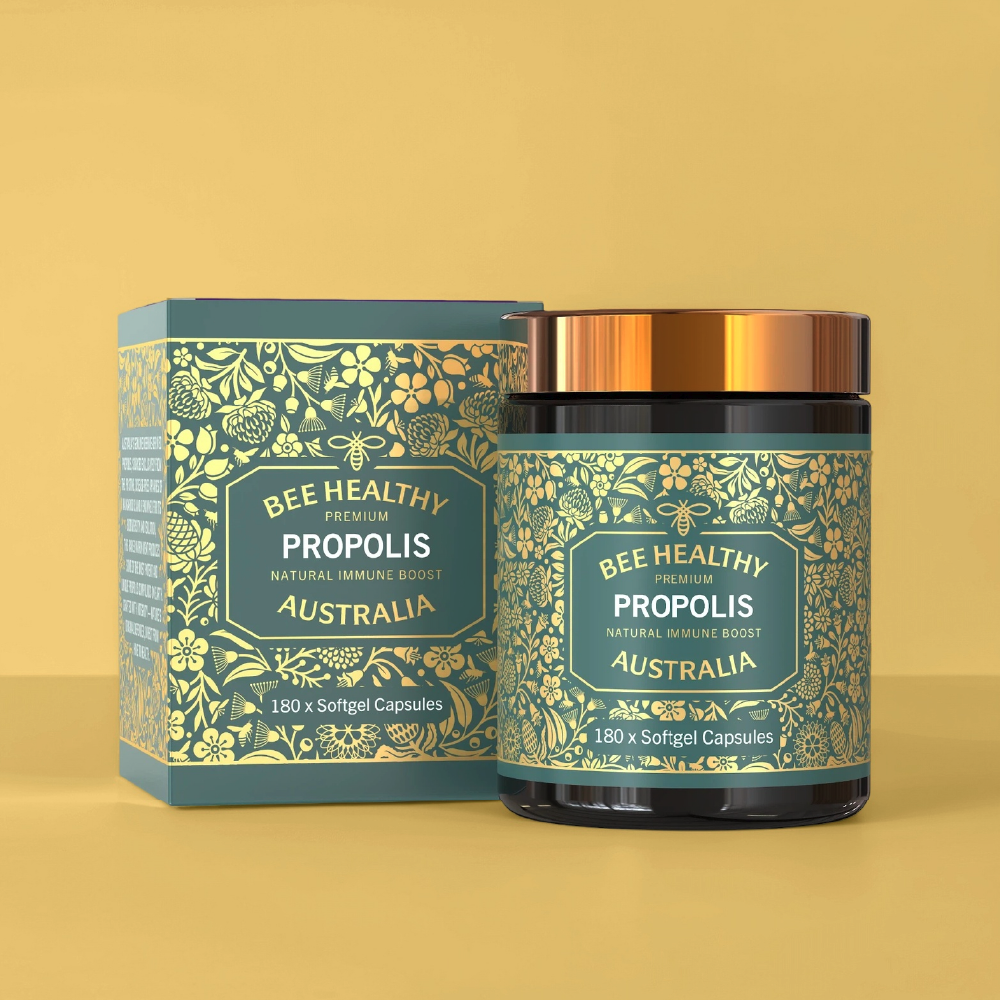
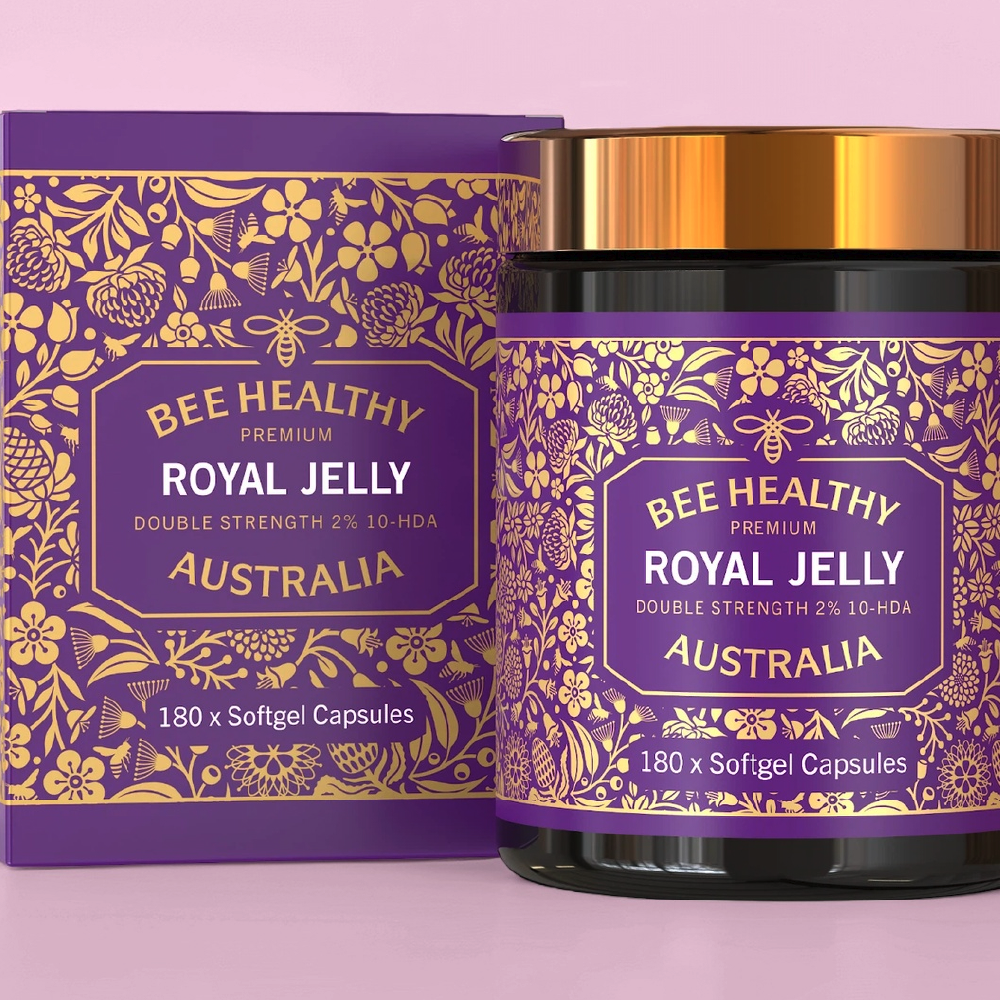
AI can create compelling mockups. It does not create production-ready packaging files. It won’t build accurate dielines, configure white ink layers, manage colour for flexographic or digital print, or account for how materials behave once they’re on press. In packaging, particularly flexible packaging and premium labels, the technical translation from concept to print is where most risk lies. The gap between ‘beautiful render’ and ‘print-ready execution’ is where expertise matters most.
 |
 |
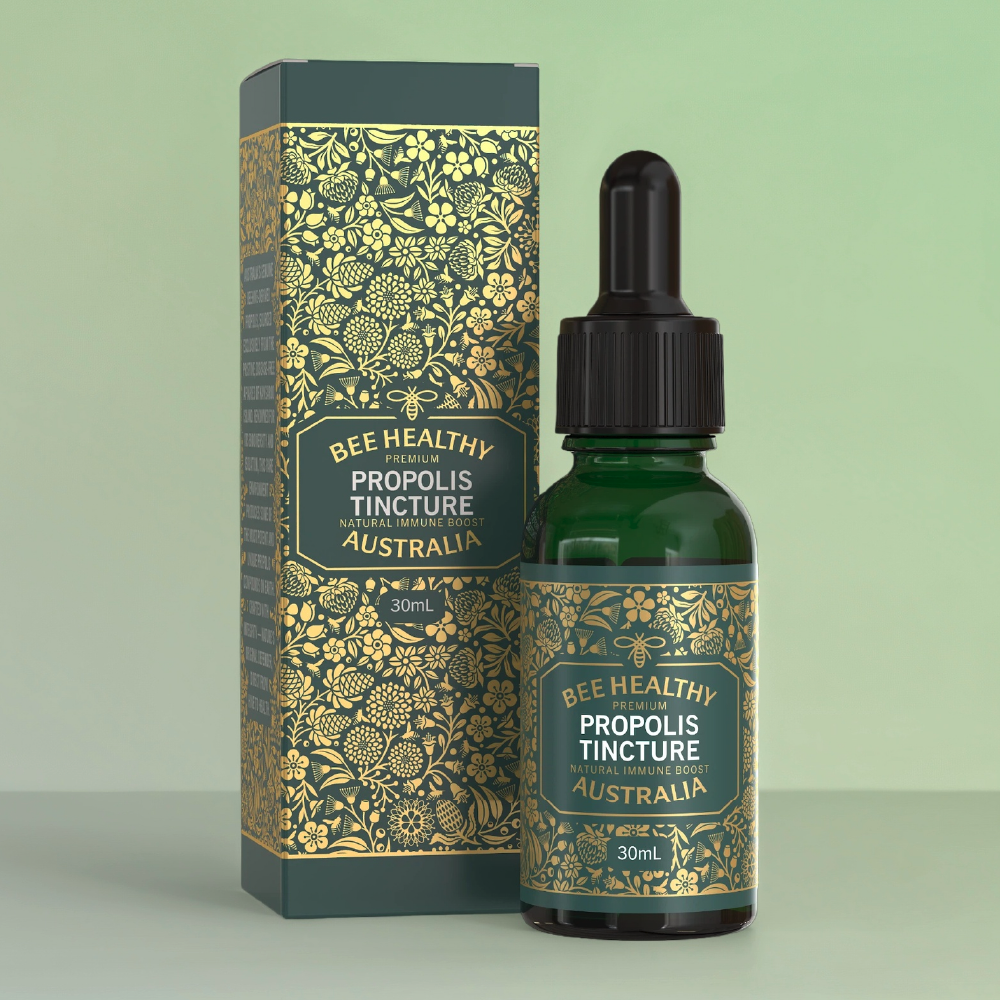 |
Source: Bee Healthy Australia
Is AI a threat?
People often ask whether AI will replace designers. A better question is whether it will replace average work.
AI removes repetitive tasks and lowers the barrier to acceptable design. It allows startups to visualise ideas without heavy upfront investment.
But if everyone can generate something that looks good, then good becomes average.
The brands that stand out are the ones with clear positioning and strong decision making behind the visuals.
AI raises the baseline. Strategic thinking still defines the brand.
Perfection vs authenticity
AI visuals tend to favour perfection. Smooth gradients, balanced layouts and controlled lighting are easy to produce.
Physical packaging is different. It’s handled, turned, viewed under store lighting and compared side by side with competitors. Texture, subtle ink variation, embossing depth and material grain all influence how a product feels in the hand.
Consumers are becoming more aware of the polished “AI look”. When everything appears flawless, it can start to feel distant.
In crowded categories, material authenticity becomes a genuine point of difference. The opportunity in 2026 is not choosing between AI and human creativity. It’s combining digital precision with tactile, real-world nuance.
From visual concept to production reality
AI visuals are mockups. Not manufacturing files.
They don’t automatically generate layered, technically correct artwork with proper colour separations, dielines, white ink setup or finishing instructions.
To move from inspiration to shelf, you still need designers who understand packaging structure, substrate behaviour and print production.
AI accelerates imagination. Designers and production specialists translate it into reality.
How to brief AI effectively?
Ever tried dozens of prompts and watched the results get worse?
Strong output depends on strong prompting.
Without an understanding of hierarchy, composition, colour balance or positioning, AI results often feel almost right, but not quite resolved.
The best approach is simple. Brief AI the way you would brief a junior designer. Walk it through your expectations as clearly as possible, and it will gradually reach the precision you are looking for.
A challenge to stand out
We are already seeing a rise in competent but generic AI-driven design.
The tool itself is not the issue. The application is.
AI performs exceptionally well with trend-led aesthetics, clean gradients, hyper-polished renders and symmetrical layouts. When every brand uses similar visual formulas, sameness becomes inevitable.
Packaging does not compete on a mood board. It competes on a retail shelf.
In categories like coffee, beauty, confectionery and spirits, you often have only seconds to capture attention. If everything looks refined but structurally similar, it blends in.
Standing out requires more than visual polish. It requires clear positioning, considered hierarchy, deliberate material choices and finishing decisions that support the brand story. This is where human judgment remains essential.
If you’re new to AI, here’s how to apply it strategically
If you’re implementing AI for the first time, don’t treat it as a shortcut. Treat it as a support system. AI works best when it sits inside a clear process rather than being treated as a shortcut. A structured approach reduces risk and keeps creative thinking aligned with commercial reality.
Here’s a smarter sequence.
1. Clarify your brief first
Before generating visuals, use AI to refine strategic foundations.
Ask it to:
- Define your target audience clearly
- Refine your product positioning
- Analyse competitor language and claims
- Identify gaps in the category
If your brief is vague, your visuals will be generic. AI reflects the clarity you give it. This step alone eliminates half of the ‘average design’ problem.
2. Explore multiple creative directions
Once your positioning is clear, use AI to quickly explore different directions and get an overview of how they might look.
Test:
- Minimalist vs expressive
- Premium dark palette vs vibrant colour block
- Heritage-inspired vs contemporary
Tools like Midjourney or Adobe Firefly can help you visualise territories before spending heavily on production.
Remember, this stage is about narrowing strategic direction, not final artwork. It helps identify which territory is worth investing in before moving deeper into design or production.
3. Test the concept before you commit
AI makes early validation easier.
You can:
- Show visuals to a small focus group
- Run internal reviews
- Compare against competitors visually
- Simulate shelf presence
This gives you confidence before launch. Instead of guessing, you move forward with insight.
For startups in particular, this reduces expensive missteps.
4. Work with an experienced designer or agency
This is the stage many brands underestimate.
AI generates a foundation. A packaging specialist creates distinction.
An experienced partner will:
- Refine colour tones beyond default gradients
- Customise typography to align with brand personality
- Adjust hierarchy for real-world retail visibility
- Introduce material and finishing considerations that algorithms cannot anticipate
For brands that need clarity before committing to print, strategic design should not sit separately from manufacturing reality. It should be informed by it from the outset.
As an extension of QLM’s packaging expertise, Thirsty Fox focuses on this strategic design layer, developing brand identity and packaging direction with a clear understanding of manufacturing realities. That alignment reduces disconnect between concept and production and strengthens the commercial foundation before artwork moves to press.
AI may take you 70% of the way, but human expertise builds the remaining 30% that makes a brand defensible.
5. Translate it into proper print-ready artwork
AI visuals are not production files.
Packaging, particularly flexible packaging and labels, requires:
- Accurate dielines
- Correct white ink setup
- Colour management for digital or flexo print
- Finishing logic for foil, embossing or varnish
At this stage, precision matters. Artwork needs to do more than look good on screen. It has to run consistently across different substrates, print methods and finishes.
This is where QLM ensures that approved creative direction is translated accurately into shelf-ready outcomes, with manufacturing discipline built into every file before it reaches press.
Planning a new launch or refreshing your packaging? Get in touch. We’ll help move your ideas from concept to shelf with clarity and confidence.